| Ring Alarm 8-piece |
Best overall DIY alarm |
DIY alarm kit |
No camera in the kit (pairs with Ring cameras) |
Plug-in base station; battery backup officially up to 24 hours |
Alarm events in the Ring app; camera history is a separate plan |
Optional Ring Protect plan for remote arming, backup connectivity, and professional monitoring |
About $250 |
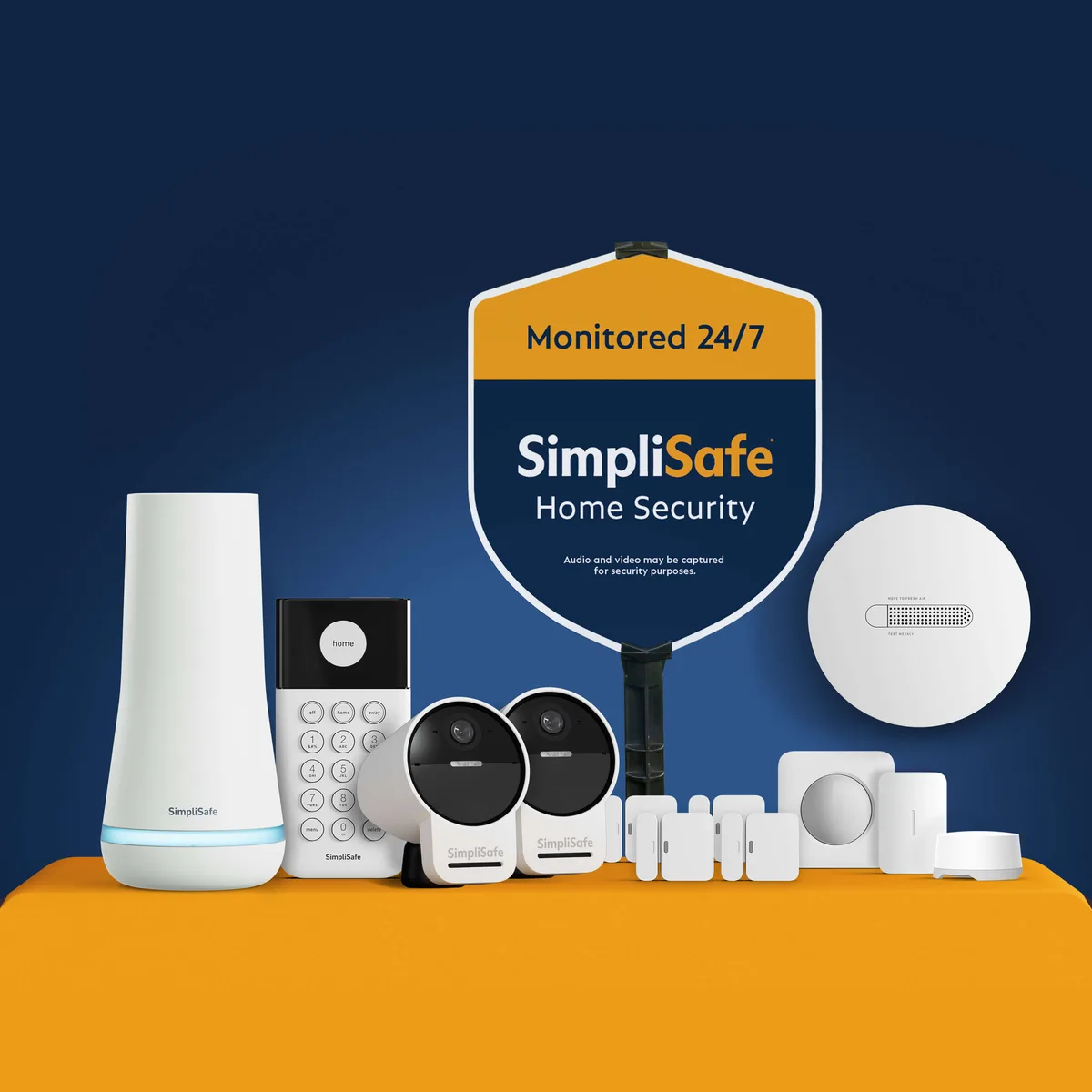
| SimpliSafe 8-piece |
Best for optional professional monitoring |
DIY alarm kit |
No camera in this kit (SimpliSafe cameras are sold separately) |
Plug-in base; sensors are wireless |
Alarm events in the app; camera recording, when added, depends on the plan |
Optional 24/7 professional monitoring with no long-term contract, on official terms |
Check the current kit price |
| Wyze Cam v4 |
Best budget camera |
Plug-in camera |
2.5K, color night vision (official) |
Wired (plug-in); official indoor/outdoor rating |
Local and optional cloud features, depending on current official terms |
Many core functions work without a plan; some extras may be plan-locked — check Wyze’s current list |
Budget indoor/outdoor camera; check the current listing |
| Reolink Argus 4 Pro |
Best local-storage solar camera |
Wireless solar camera |
Official 4K 180° dual-lens, ColorX night vision |
Battery with solar panel, officially wireless |
Official local storage, including a microSD option; no subscription required for basic recording |
Officially no monthly fee for core local recording; optional extras if any should be checked on the current page |
Check the current camera or kit price |
| Ring Battery Doorbell Plus |
Best battery video doorbell |
Video doorbell |
Official head-to-toe HD+ / 2K-class video, depending on the current official name |
Battery, with optional existing doorbell wiring on official instructions |
Video history through a Ring Protect plan |
A Protect plan is required for standard cloud video history and some other features |
Check the current listing |
| Nest Doorbell (Battery) |
Best doorbell for Google Home |
Video doorbell |
Official HD video with HDR, night vision, and 6x digital zoom on Google’s product page |
Battery; some installations can use existing wiring where official instructions allow |
Event video is tied to a Google Home / Nest subscriptions plan for longer history |
A Google Home Premium plan (current name may vary) unlocks longer event history and some intelligent alerts |
Check the current listing |
| Spotlight Cam 4K Pro |
Best spotlight camera |
Spotlight camera |
Official 4K / “retinal” wide-angle video on Ring’s current product page |
Plug-in (and other official power options may exist by variant — confirm the listing) |
Video history through a Ring Protect plan |
A Protect plan is required for standard cloud video history |
Check the current listing |
| Outdoor Cam Plus |
Best plug-in outdoor camera |
Plug-in outdoor camera |
Official wide-angle 2K video |
Wired / plug-in on the official Outdoor Cam Plus page |
Video history through a Ring Protect plan |
A Protect plan is required for standard cloud video history |
Check the current listing |
| Floodlight Cam 4K Plus |
Best floodlight camera |
Floodlight camera |
Official “Retinal 4K” video with motion-activated floodlights |
Official wired / hardwired installation |
Video history through a Ring Protect plan |
A Protect plan is required for standard cloud video history |
About $220 |
| SoloCam S340 |
Best solar pan-and-tilt camera |
Wireless solar camera |
Official 3K dual-lens with 360° pan-and-tilt coverage and color night vision |
Official solar panel with a rechargeable battery |
Official local storage (the original listing includes built-in storage; some later listings add a microSD option) |
Officially no monthly fee for core local recording |
Check the current listing |